
Olympics Schedule: Complete Guide to Events, Dates, Sports, and How to Follow Every Competition

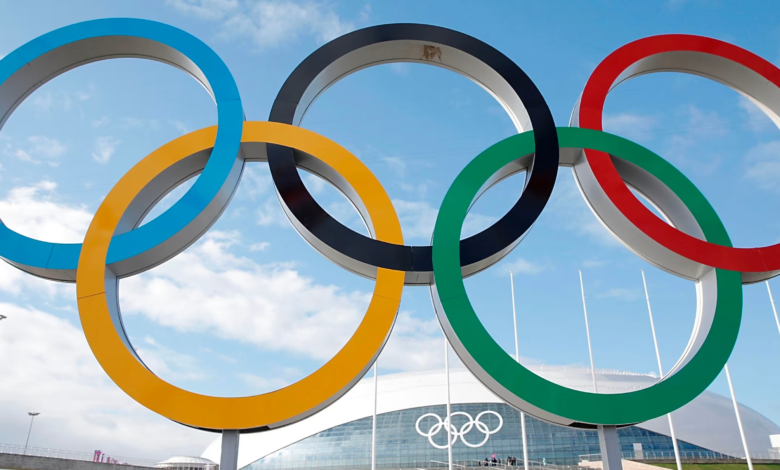
The olympics schedule is one of the most searched topics before every Olympic Games. Fans around the world want to know when their favorite sports begin, which athletes compete each day, and how to plan their viewing time. A well-organized schedule helps everyone enjoy the biggest sporting event without missing the action.
The Olympic Games bring together thousands of athletes from many countries. They compete in dozens of sports over several exciting days. Every event has its own date and time, making the schedule an important guide for athletes, coaches, media, and fans.
What Is the Olympics Schedule?
The olympics schedule is the official timetable that lists every competition during the Olympic Games. It includes:
- Event dates
- Competition times
- Venue information
- Medal events
- Qualification rounds
- Final matches
- Opening and Closing Ceremony times
The schedule allows athletes to prepare properly while helping fans follow every competition without confusion.
Each Olympic edition has its own unique timetable because the host city organizes events according to venue availability, weather conditions, transportation, and television broadcasting.
Why the Olympics Schedule Is Important
A clear schedule benefits everyone involved in the Olympic Games.
For Athletes
Athletes rely on the schedule to:
- Prepare mentally
- Plan training sessions
- Manage recovery time
- Organize nutrition
- Reduce travel stress
Knowing competition times helps athletes perform at their best.
For Fans
Fans use the schedule to:
- Watch favorite sports live
- Follow medal events
- Avoid missing important matches
- Plan viewing with family and friends
Many people create personal calendars based on the Olympic timetable.
For Broadcasters
Television networks and streaming services depend on the schedule to:
- Organize live coverage
- Assign commentators
- Prepare highlights
- Coordinate interviews
This allows viewers worldwide to enjoy smooth broadcasts.
How the Olympics Schedule Is Created
Planning the Olympic timetable is a massive task. Organizers begin working years before the Games start.
Several factors influence the final schedule.
Venue Availability
Each venue hosts different sports. Organizers ensure events do not overlap when they share facilities.
For example:
- Swimming competitions use aquatic centers.
- Athletics takes place inside the main stadium.
- Cycling uses road courses and indoor tracks.
Each location follows its own timetable.
Weather Conditions
Outdoor sports depend on weather.
Examples include:
- Rowing
- Sailing
- Marathon
- Cycling
- Beach volleyball
- Golf
Organizers often schedule these events during cooler parts of the day for athlete safety.
Television Audiences
Millions of people watch the Olympics across different countries.
Popular events may be scheduled during times that attract larger international audiences. This helps maximize global viewership while giving fans better access to major competitions.
Athlete Recovery
Some athletes compete in several rounds before reaching a final.
The schedule gives enough recovery time between:
- Heats
- Quarterfinals
- Semifinals
- Finals
Proper rest supports fair competition and reduces injury risks.
Main Sections of the Olympics Schedule
The Olympic Games usually follow a predictable structure.
Opening Ceremony
The Opening Ceremony officially begins the Games.
It includes:
- Parade of Nations
- Cultural performances
- Olympic flag presentation
- Athlete oath
- Lighting of the Olympic cauldron
This ceremony celebrates unity and marks the start of competition.
Qualification Rounds
Many sports begin with qualification events.
Examples include:
- Swimming heats
- Athletics qualifying
- Archery ranking rounds
- Rowing heats
- Shooting qualification
- Gymnastics qualification
These rounds decide which athletes move forward.
Medal Events
As the Games continue, medal competitions become the main attraction.
Athletes compete for:
- Gold medals
- Silver medals
- Bronze medals
These events often attract the largest audiences.
Closing Ceremony
The Closing Ceremony celebrates the end of the Olympic Games.
It includes:
- Athlete celebrations
- Cultural performances
- Handover to the next host city
- Extinguishing the Olympic flame
This marks the official conclusion of the Games.
Sports Included in the Olympics Schedule
The Olympic timetable features a wide variety of sports.
Some of the most popular include:
Athletics
Athletics is often considered the heart of the Olympics.
Events include:
- 100-meter sprint
- 200-meter sprint
- Marathon
- Long jump
- High jump
- Pole vault
- Shot put
- Relay races
Many famous Olympic moments come from athletics competitions.
Swimming
Swimming attracts huge audiences every Olympic cycle.
Popular events include:
- Freestyle
- Butterfly
- Breaststroke
- Backstroke
- Individual medley
- Relay races
Swimming usually features several medal events across multiple days.
Gymnastics
Gymnastics combines strength, flexibility, and precision.
Competitions include:
- Artistic gymnastics
- Rhythmic gymnastics
- Trampoline gymnastics
Finals often become some of the most watched Olympic events.
Team Sports in the Olympics Schedule
Team sports are among the biggest attractions during the Olympic Games. These competitions begin early because many matches are needed before the medal rounds.
Football
Football is one of the most popular Olympic sports. The tournament starts before the Opening Ceremony in many Olympic editions.
The competition includes:
- Men’s tournament
- Women’s tournament
- Group stage matches
- Quarterfinals
- Semifinals
- Bronze medal match
- Gold medal match
Fans often check the olympics schedule daily to follow their favorite national teams.
Basketball
Basketball brings together many of the world’s best players.
The Olympic basketball schedule includes:
- Group matches
- Knockout rounds
- Semifinals
- Medal games
Both men’s and women’s competitions attract millions of viewers worldwide.
Volleyball
Indoor volleyball and beach volleyball have separate schedules.
Each event includes:
- Preliminary matches
- Quarterfinals
- Semifinals
- Medal matches
Beach volleyball often takes place at outdoor venues with exciting atmospheres.
Hockey
Field hockey remains a key Olympic sport.
Teams compete through:
- Group stages
- Elimination rounds
- Bronze medal match
- Gold medal final
The matches are spread across several days to allow proper recovery.
Individual Sports Featured in the Olympics Schedule
Many Olympic sports focus on individual performances.
Tennis
Olympic tennis features both experienced champions and rising stars.
Events include:
- Men’s singles
- Women’s singles
- Men’s doubles
- Women’s doubles
- Mixed doubles
The schedule depends on player progression through each round.
Golf
Golf returned to the Olympics after many years.
The competition usually lasts several rounds over four days.
Players compete for the lowest total score to win Olympic medals.
Cycling
Cycling includes multiple disciplines.
These include:
- Road race
- Time trial
- Track cycling
- Mountain biking
- BMX racing
Each discipline has its own competition calendar.
Boxing
Boxing remains one of the most exciting Olympic sports.
The schedule includes:
- Preliminary fights
- Quarterfinals
- Semifinals
- Medal bouts
Athletes compete in different weight categories throughout the Games.
Water Sports in the Olympics Schedule
Water sports always receive strong global attention.
Diving
Divers compete in several events, including:
- Individual platform
- Individual springboard
- Synchronised platform
- Synchronised springboard
Each event includes qualification rounds before the finals.
Rowing
Rowing competitions usually begin during the first week.
The schedule includes:
- Heats
- Repechage races
- Semifinals
- Finals
Weather conditions can sometimes affect race timing.
Canoe Sprint and Canoe Slalom
These exciting sports test both speed and technique.
Athletes compete in:
- Sprint races
- Whitewater slalom events
The schedule separates qualification and medal races.
Sailing
Sailing events take place over several days because weather plays a major role.
Race times may change if wind conditions are not suitable.
Combat Sports on the Olympics Schedule
Combat sports attract large audiences because every match can produce dramatic moments.
Judo
Judo competitions are organized by weight category.
Each day usually focuses on different divisions.
The schedule includes:
- Early elimination rounds
- Quarterfinals
- Semifinals
- Medal contests
Wrestling
Olympic wrestling features:
- Freestyle
- Greco-Roman
Each style has multiple weight classes, creating a busy daily competition schedule.
Taekwondo
Taekwondo combines speed, power, and strategy.
Athletes compete through several rounds before reaching the finals.
Each weight category follows its own timetable.
How to Read the Olympics Schedule
The official timetable is simple once you understand its format.
Most schedules include:
- Date
- Event name
- Sport
- Venue
- Start time
- Competition stage
- Medal event indicator
Reading these details helps fans quickly find the competitions they want to watch.
Understanding Qualification and Final Events
Not every Olympic competition awards medals immediately.
Most sports follow this order:
- Qualification rounds
- Preliminary heats
- Quarterfinals
- Semifinals
- Finals
Fans who understand this format can better follow each athlete’s journey toward a medal.
Time Zones and the Olympics Schedule
One important part of following the olympics schedule is understanding time zones.
Because the Olympic Games are hosted in different countries, event times vary for viewers around the world.
Helpful tips include:
- Convert local event times to your own time zone.
- Set reminders for important competitions.
- Check official updates for schedule changes.
- Use streaming apps that adjust times automatically.
Planning ahead helps ensure you never miss a major event.
How to Follow the Olympics Schedule Every Day
The Olympic Games feature many events each day. With dozens of sports happening at different venues, staying organized helps you enjoy the experience.
Here are some easy ways to keep track of the olympics schedule:
- Check the daily event timetable every morning.
- Save your favorite competitions in a calendar.
- Turn on reminders for medal events.
- Follow official Olympic updates.
- Watch live coverage through trusted broadcasters.
- Review daily highlights if you miss live events.
These simple habits make it easy to follow every important competition.
Best Ways to Watch Olympic Events
Technology has made watching the Olympics easier than ever. Fans can enjoy competitions from almost anywhere.
Popular viewing options include:
Live Television
Many national broadcasters provide live Olympic coverage.
Benefits include:
- Professional commentary
- High-quality video
- Expert analysis
- Medal ceremonies
- Daily highlights
Online Streaming
Streaming services allow fans to watch events on demand.
Advantages include:
- Watch from any device
- Pause and replay events
- Choose different sports
- Follow multiple competitions
Mobile Applications
Official sports apps offer useful features such as:
- Live scores
- Event reminders
- Medal tables
- Athlete profiles
- Updated schedules
Many fans rely on these apps throughout the Games.
Sports That Usually Attract the Largest Audiences
Some Olympic events consistently receive global attention.
These include:
Athletics
Athletics produces many unforgettable Olympic moments.
Popular competitions include:
- 100-meter sprint
- 200-meter sprint
- 400-meter relay
- Marathon
- Long jump
- High jump
These events often take place during the final days of the Games.
Swimming
Swimming offers multiple medal events every day.
Fans enjoy watching:
- Freestyle races
- Butterfly events
- Relay finals
- Individual medley
- Backstroke finals
Top swimmers often compete in several events during one Olympics.
Gymnastics
Gymnastics combines power, balance, and creativity.
Major competitions include:
- Team finals
- Individual all-around
- Floor exercise
- Balance beam
- Rings
- Vault
These finals are among the most-watched events in every Olympic edition.
Medal Events and Why They Matter
Medal events are the highlight of the olympics schedule.
These competitions decide the Olympic champions.
Athletes compete for:
- Gold Medal
- Silver Medal
- Bronze Medal
Winning an Olympic medal is one of the greatest achievements in sports.
Many viewers plan their entire day around medal competitions because they often deliver the most exciting moments.
Factors That Can Change the Olympics Schedule
Although organizers carefully prepare the timetable, unexpected situations sometimes require adjustments.
Common reasons include:
Weather
Outdoor sports may be delayed because of:
- Heavy rain
- Strong winds
- Extreme heat
- Lightning
Safety always comes first.
Technical Issues
Occasionally, organizers must solve technical problems involving:
- Equipment
- Electronic timing systems
- Competition venues
- Broadcast systems
Small delays help ensure fair competition.
Athlete Health
Medical emergencies can also affect event timing.
Officials always prioritize athlete safety before continuing competitions.
Tips for Planning Your Olympic Viewing
Watching every event is almost impossible because many competitions happen at the same time.
Instead, create a simple viewing plan.
Helpful ideas include:
- Choose your favorite sports first.
- Mark all medal events.
- Watch live finals whenever possible.
- Record events that air overnight.
- Read daily summaries after each competition day.
- Follow official Olympic news for updates.
This approach allows you to enjoy more events without feeling overwhelmed.
Benefits of Following the Olympics Schedule
Understanding the schedule improves the overall Olympic experience.
Some key benefits include:
- Better time management
- Easier event planning
- Fewer missed competitions
- Improved knowledge of different sports
- More excitement during medal days
- Better understanding of athlete progress
Whether you are a casual viewer or a dedicated sports fan, a clear schedule helps you enjoy every moment of the Games.
Frequently Asked Questions About the Olympics Schedule
How often is the Olympics schedule released?
The official schedule is usually published well before the Olympic Games begin. Organizers may make small updates if needed because of weather, venue changes, or other operational reasons.
Can the Olympics schedule change?
Yes. While organizers plan every event carefully, changes can happen. Weather, technical issues, athlete safety, and venue conditions may require adjustments. Fans should always check the latest official timetable before an event starts.
Which sports begin first?
Some sports start before the Opening Ceremony. Team events such as football or rugby sevens often begin early because they require several rounds to complete before the medal matches.
How long do the Olympic Games last?
The Summer Olympic Games usually last a little over two weeks. During this time, thousands of athletes compete in dozens of sports and hundreds of medal events.
Where can I find the latest Olympics schedule?
The best sources include:
- The official Olympic website
- Official Olympic mobile apps
- National broadcasters
- Trusted sports news websites
These platforms provide updated schedules, live scores, and medal standings.
Common Mistakes When Following the Olympics Schedule
Many viewers miss exciting events because of simple planning mistakes.
Avoid these common errors:
- Forgetting to convert event times to your local time zone.
- Checking an outdated schedule.
- Ignoring qualification rounds that feature top athletes.
- Waiting only for finals and missing great early competitions.
- Not setting reminders for favorite sports.
- Overlooking schedule updates announced by organizers.
A little preparation helps you enjoy the Games without missing important moments.
Tips to Get the Most from the Olympic Games
If you want a better viewing experience, follow these suggestions:
- Create a list of your favorite sports before the Games begin.
- Mark all gold medal events on your calendar.
- Learn about new Olympic sports to discover fresh talent.
- Watch both team and individual competitions.
- Follow athletes from different countries.
- Read daily Olympic summaries to stay informed.
- Keep track of the medal table throughout the Games.
These habits make the Olympic experience more enjoyable and educational.
Why Millions Follow the Olympics Every Year
The Olympic Games are more than a sports competition. They bring together athletes from around the world and celebrate dedication, teamwork, and excellence.
Fans enjoy the Olympics because they can:
- Watch world-class performances.
- Support their home country.
- Discover inspiring athletes.
- Experience different sports and cultures.
- Celebrate unforgettable victories.
- Witness history being made.
The olympics schedule plays an important role in making this global celebration easy to follow.
Conclusion
The olympics schedule is the perfect guide for every Olympic fan. It helps you know when events begin, where competitions take place, and which athletes are competing each day. By following the schedule, you can plan your viewing, enjoy exciting medal events, and never miss your favorite sports. Whether you love athletics, swimming, gymnastics, football, basketball, or newer Olympic events, staying updated with the official timetable makes the Games even more exciting. Check reliable sources regularly for any updates, prepare your personal viewing plan, and enjoy every memorable moment of the world’s greatest sporting event.