

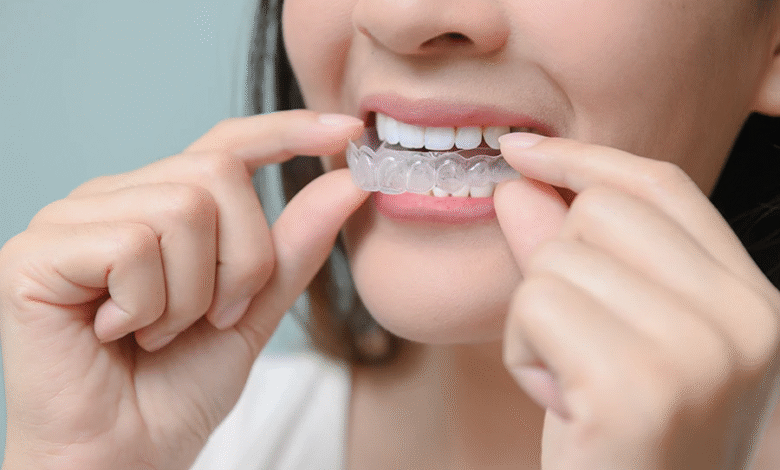
Beginning treatment with clear aligners can feel like a big step forward for your smile, but some people notice an unexpected change along the way: Sensitive teeth. If your teeth feel sore, tender, or more reactive to cold while wearing aligners, this is a common experience.
Sensitive teeth issues due to aligners are usually temporary and manageable. Knowing what causes the sensitivity and how to ease it can make a noticeable difference in comfort and help you stick to your treatment plan without frustration.
Can Aligners Cause Tooth Sensitivity?
Yes, aligners can make your teeth sensitive, especially in the early stages of treatment or when switching to a new set.
Clear aligners work by applying gentle, controlled pressure to move your teeth into better alignment. That pressure affects the ligaments and nerves surrounding each tooth. As your teeth begin to shift, it’s normal for them to feel sore or sensitive for a short period.
This doesn’t mean something is wrong. In fact, mild sensitivity is often a sign that your aligners are doing exactly what they’re supposed to do.
Why Teeth Can Feel Sensitive with Aligners
There are a few reasons why teeth sensitivity with aligners can occur:
First, tooth movement triggers a temporary inflammatory response. As pressure is applied, blood flow and nerve activity around the tooth change, which can lead to tenderness.
Second, aligners slightly compress the periodontal ligament that holds each tooth in place. This can make teeth feel sore when biting down or exposed to temperature changes.
Some people also notice their teeth are more sensitive to cold while wearing aligners. Cold drinks, cold air, or even rinsing with cold water can briefly intensify discomfort, particularly during the first few days of a new aligner tray.
Importantly, this type of sensitivity does not mean your enamel is being damaged. It’s a temporary nerve response, not tooth decay or permanent harm.
When Is Sensitivity Most Common During Aligner Treatment?
Tooth sensitivity doesn’t usually last throughout your entire treatment. It tends to follow a predictable pattern.
Many people feel the most discomfort during the first week of wearing aligners, when their teeth are adjusting to movement for the first time. Sensitivity can also return briefly each time you switch to a new aligner set.
For most patients, this soreness peaks within the first one to three days and then gradually fades as the teeth adapt. By the time you’re ready to change trays again, discomfort is often minimal or completely gone.
Tips for Reducing Clear Aligner Sensitivity
If your teeth feel sensitive with aligners, there are several simple steps you can take to reduce discomfort. Here are some tips to reduce clear aligner sensitivity.
Switch to a Desensitising Toothpaste
Using a toothpaste designed for sensitive teeth can make a noticeable difference. These formulas help calm nerve responses over time. For best results, use it consistently and avoid rinsing immediately after brushing so the active ingredients can work.
Avoid Very Cold or Acidic Foods
Cold drinks, ice cream, and acidic foods can make sensitive teeth feel worse. During the first few days of a new aligner set, try sticking to lukewarm water and softer foods until sensitivity settles.
Wear Your Aligners as Directed
It may be tempting to remove your aligners when your teeth feel sore, but inconsistent wear can actually increase discomfort. Wearing your aligners as prescribed allows your teeth to adjust more smoothly and reduces repeated inflammation.
Clean Aligners with Lukewarm Water
Cold water can sometimes trigger sensitivity, especially if your teeth are already tender. Use lukewarm water when cleaning your aligners, and never use hot water, which can warp them.
Give Your Teeth Time to Adjust
Mild sensitivity is usually temporary. Most people find that discomfort improves within a few days. Staying consistent and patient is often the most effective remedy.
When Tooth Sensitivity Isn’t Normal
While sensitivity is common, there are situations where it shouldn’t be ignored.
If you experience sharp, worsening pain, pain that lasts beyond a week, or sensitivity concentrated in a single tooth, it’s important to check in with your dental provider. These symptoms could point to an underlying issue such as a cavity, gum inflammation, or excessive pressure that needs adjustment.
Aligner treatment should feel uncomfortable at times, but it should not feel unbearable.
Can You Prevent Sensitivity Before Starting Aligners?
You can reduce your risk of sensitivity by preparing your teeth before treatment begins.
Good oral hygiene is key. Brushing twice daily, flossing regularly, and addressing gum inflammation can help your teeth respond better to movement. Any existing cavities or enamel issues should be treated before starting the aligners.
If you already have sensitive teeth, let your provider know. They may recommend desensitising toothpaste early on or adjust your treatment plan to reduce discomfort.
Aligners and Long-Term Tooth Health
Sensitivity during aligner treatment does not mean your teeth are being damaged. When planned and supervised properly, clear aligners are a safe and effective way to straighten teeth.
Improved alignment can actually support better long-term oral health by making teeth easier to clean and reducing uneven bite pressure. While sensitivity may occur temporarily, the benefits of a healthier, well-aligned smile last far longer.
Wrap Up
If you’re dealing with sensitive teeth with aligners, there’s usually no need to worry. For most people, the discomfort is mild, temporary, and manageable with a few simple changes.
By understanding why aligners make teeth sensitive and taking steps to reduce irritation, you can stay comfortable and keep your treatment on track. If anything feels unusual or overly painful, seeking professional advice is always the right move. Comfort and results should go hand in hand.
FAQs
How to stop teeth sensitivity from aligners?
Wear your aligners as directed, use a desensitizing toothpaste, avoid very hot or cold foods, and take dentist-approved pain relief if needed.
Do aligners make your teeth sensitive?
Yes, mild tooth sensitivity is common with aligners because they apply gentle pressure to move teeth.
How do you reduce sensitivity in your teeth?
You can reduce tooth sensitivity by using fluoride or desensitizing toothpaste, maintaining good oral hygiene, and avoiding acidic foods and drinks.
What stage of aligners hurts the most?
The first few days of a new aligner tray usually cause the most discomfort as your teeth adjust to the pressure.