

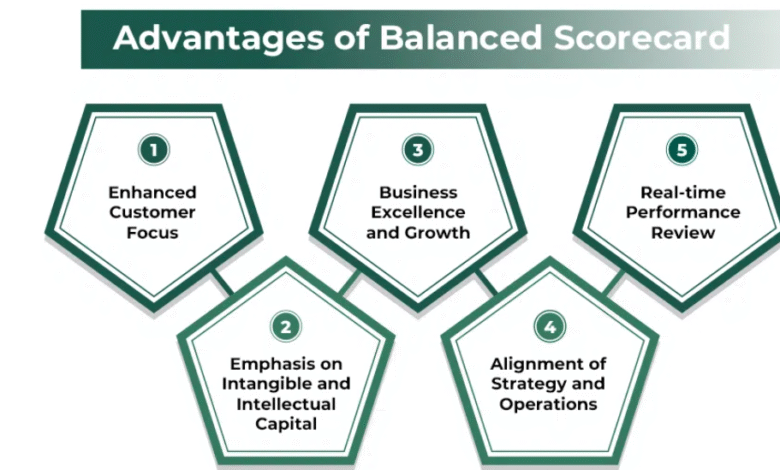
In today’s rapidly changing business landscape, organizations are seeking ways to not only define their strategies but also execute them with precision. Traditional performance metrics that focus mainly on financial performance are no longer sufficient. Companies need broader, more holistic systems that reflect everything from customer satisfaction to internal processes and innovation. This is where balanced scorecard software plays a pivotal role — transforming strategic planning into measurable, actionable outcomes and helping businesses sustain growth in competitive environments.
Understanding the Balanced Scorecard Concept
The Balanced Scorecard (BSC) is a strategic performance management framework originally developed by Robert S. Kaplan and David P. Norton. It broadens performance measurement beyond finances by incorporating four key perspectives: financial performance, customer satisfaction, internal business processes, and learning and growth. By doing so, it gives organizations a balanced view of performance and supports strategic alignment throughout all levels of the business.
These four dimensions help leaders break down overarching strategic goals into measurable objectives, specific metrics, and clear initiatives that teams across departments can rally around. Instead of focusing solely on revenue or profit — which tend to reflect past performance — the balanced scorecard gives insights into the future performance potential of a business.
What Is Balanced Scorecard Software?
Balanced scorecard software is a digital tool designed to automate, manage, and optimize the balanced scorecard process. It centralizes strategic data, connects objectives to performance indicators, and provides dashboards that help executives and managers visualize progress in real time. In essence, this software makes strategy execution less abstract and more measurable. Instead of spreadsheets and manual tracking, users get automated tracking, clearer reporting, and easier access to insights that drive decision-making.
For modern businesses with increasingly complex operations, balanced scorecard software can integrate multiple systems — from HR and finance to customer feedback tools — ensuring that key performance indicators (KPIs) are up-to-date and relevant. This integration saves time and effort while maintaining accuracy in performance reporting.
Key Features and Capabilities
Effective balanced scorecard software typically includes several key components:
- Strategic Mapping: Visual representations of how objectives connect across the four perspectives, giving clarity on how each department contributes to overall goals.
- KPI Tracking and Dashboards: Real-time tracking of performance indicators, often presented with intuitive dashboards that highlight progress and anomalies.
- Goal Setting and Alignment: Tools to define strategic goals and cascade them across teams and levels, ensuring everyone is aligned to the same business priorities.
- Automated Reporting: Scheduled and customizable reports that reduce manual work and allow leaders to focus on insights rather than data gathering.
- Collaboration Tools: Features enabling teams to comment, share, and update progress collaboratively, making the strategy process more interactive.
These features make balanced scorecard software more than just a measurement tool — it becomes the central hub of strategic communication and execution across the organization.
Why Organizations Need Balanced Scorecard Software
The adoption of balanced scorecard software is no longer a luxury; it’s becoming essential in the digital age for several reasons:
- Improved Strategic Clarity: Businesses often fail not for lack of strategy but due to poor execution. Software helps translate strategic plans into measurable steps, ensuring that objectives are clearly defined and understood across teams.
- Enhanced Decision-Making: With performance data centralized and visualized, leaders can make better decisions faster. Whether it’s adjusting a marketing initiative or reallocating resources, real-time insights allow for agile responses to emerging challenges.
- Greater Accountability: When KPIs are transparent and shared organization-wide, accountability increases. Individuals and teams can see exactly how their contributions impact larger strategic goals.
- Boosted Alignment and Communication: Balanced scorecard software encourages strategic alignment by connecting objectives from the executive suite to operational teams. This clarity fosters improved communication and better teamwork.
- Focus on Continuous Improvement: Instead of tracking performance annually or quarterly through static reports, real-time dashboards encourage ongoing assessment and refinement of strategies.
Challenges and Best Practices
While balanced scorecard software brings numerous advantages, implementation requires thoughtful planning. Organizations must ensure that their KPIs are relevant and aligned with their overall mission. Poorly chosen metrics can misguide efforts and lead to wasted resources. It’s also important to involve stakeholders from various departments early in the process so that the system reflects a true cross-functional view of performance.
Training and change management are essential as well. Users must understand not just how to use the software, but why it matters to the organization’s strategy and success. Without buy-in from teams, even the best tools can fail to deliver meaningful impact.
The Future of Strategic Performance Management
As businesses continue to evolve in complexity, so too will the role of balanced scorecard software. Expect deeper integrations with AI-driven analytics, predictive forecasting, and automated insights that go beyond scorekeeping to become true strategic guidance systems.
In summary, balanced scorecard software empowers organizations to connect strategy with execution, drive alignment across teams, and cultivate a culture of performance excellence. In an age where change is constant and competition fierce, such tools are not just helpful — they are transformative.