
Creating an Engaging Environment in a 30x Classroom: Tips and
Creating an Engaging Environment in a 30x Classroom: Tips and

Introduction: The challenges of teaching in a 30x classroom
Teaching in a classroom 30x can feel like juggling flaming torches while riding a unicycle. The challenges are numerous, from managing diverse learning styles to keeping every student engaged simultaneously. It’s not just about delivering content; it’s about creating an atmosphere where students thrive and feel motivated to participate. In such a dynamic environment, the stakes are high, but so are the rewards when you find the right strategies to foster engagement. Let’s explore how you can transform your classroom into an exciting space that captivates every learner’s interest and fuels their passion for knowledge.
Understanding the importance of an engaging environment
An engaging environment transforms learning. It captures students’ attention and sparks their curiosity. When learners feel involved, they are more likely to participate actively.
A vibrant atmosphere encourages collaboration. Students thrive when they can share ideas and work together on projects. This interaction fosters a sense of belonging, making them feel valued in the classroom setting.
Moreover, an engaging space enhances motivation. Colorful displays, comfortable seating arrangements, and interactive learning tools stimulate interest in the subject matter.
When students are excited about what they’re learning, retention improves significantly. They remember concepts better when they connect emotionally to the material presented.
Creating this kind of environment is essential for success in a 30x classroom where individual needs may vary widely among students. The diversity adds richness but also requires careful consideration to ensure everyone feels included and motivated to learn together.
Utilizing technology to enhance engagement
Integrating technology in a classroom 30x can transform the learning experience. Interactive tools, such as smartboards and tablets, make lessons more dynamic. Students are naturally drawn to tech; using it effectively can spark their interest.
Consider utilizing educational apps that promote collaboration. Tools like Google Classroom facilitate group projects and peer feedback seamlessly. This encourages students to engage with each other while enhancing their understanding of the subject matter.
Virtual reality (VR) is another exciting option for immersive experiences. Imagine exploring ancient cities or distant planets without leaving your classroom! These explorations captivate students’ imaginations and deepen their connection to the material.
Incorporating multimedia presentations also keeps content fresh and engaging. Videos, podcasts, and infographics appeal to different learning styles, ensuring everyone stays involved in discussions. The key is finding a balance where technology enhances rather than distracts from learning objectives.
Incorporating hands-on activities and group work
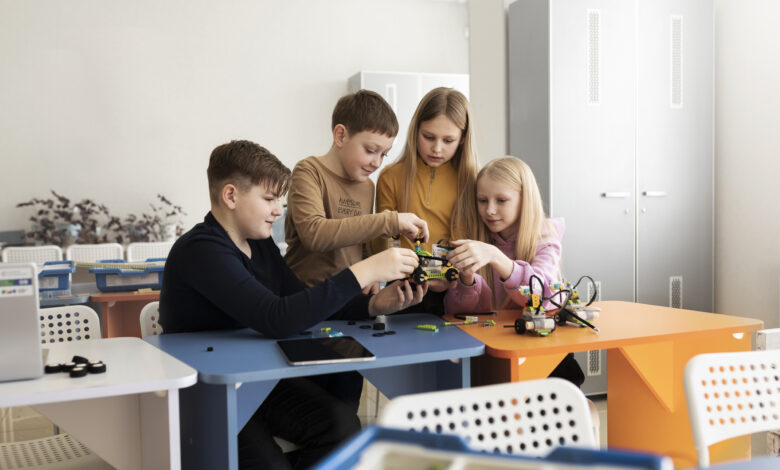
Hands-on activities breathe life into a classroom 30x. They transform theory into practice, making lessons memorable. Students grasp concepts better when they can touch and manipulate materials.
Group work encourages collaboration. It fosters communication skills as students share ideas and tackle problems together. Pairing students strategically can enhance learning outcomes, ensuring that everyone participates actively.
Consider project-based learning where groups tackle real-world challenges. This approach not only engages but also builds critical thinking skills.
Incorporate stations or centers within your layout for different activities. This allows movement and keeps energy levels high, reducing restlessness during lengthy sessions.
Utilizing art projects or science experiments creates excitement among learners. When students see their efforts yield tangible results, it reinforces their understanding in dynamic ways.
Creating a positive and inclusive classroom culture
A positive and inclusive classroom culture sets the foundation for learning in a 30x environment. Every student deserves to feel valued and heard. Start by establishing clear norms that promote respect and collaboration.
Encourage students to share their backgrounds, experiences, and perspectives. This not only enhances understanding but also builds empathy among classmates. Use icebreakers or group activities designed to highlight diversity.
Recognize achievements big and small. Celebrate milestones together, fostering camaraderie within your class. Simple gestures like personalized notes of encouragement can make a significant impact on motivation.
Create an atmosphere where mistakes are seen as opportunities for growth rather than failures. When students feel safe taking risks, they’re more likely to engage fully in lessons.
Involve families in creating this culture by communicating openly about classroom goals and events. Building these connections strengthens community ties while supporting each student’s journey toward success.
Managing behavior in a large classroom setting
Managing behavior in a large classroom setting can feel daunting, but with the right strategies, it becomes manageable.
First, establish clear expectations. When students know what is expected of them, they are more likely to stay on track. Create a set of classroom rules and display them prominently.
Next, use consistent routines. Routines provide structure and predictability. Students thrive when they understand what comes next.
Incorporate engaging activities that keep students focused. Boredom often leads to misbehavior; active participation helps minimize distractions.
Positive reinforcement also plays a crucial role. Recognizing good behavior encourages others to follow suit. Celebrate small victories as you build an encouraging atmosphere.
Be proactive about addressing issues before they escalate. Circulate around the room frequently and maintain open communication with your students to foster trust and respect within your classroom community.
Collaborating with colleagues for effective strategies
Collaboration among colleagues can transform the dynamics of a classroom 30x. Sharing ideas and strategies creates a collective toolbox for tackling challenges.
Regular meetings foster camaraderie and open dialogue. Discussing what works and what doesn’t leads to innovative solutions that benefit everyone involved.
Consider forming small groups within your teaching community. These focused teams can brainstorm unique approaches tailored to specific student needs, boosting engagement in large classes.
Use technology as a bridge for collaboration. Tools like shared documents or discussion boards allow teachers to exchange resources easily, even from different locations.
Don’t hesitate to observe each other’s classrooms. This peer feedback is invaluable, offering fresh perspectives on managing larger groups effectively while maintaining an engaging learning environment.
Harnessing the strengths of your colleagues not only enhances individual practice but also enriches the overall educational experience for students in a classroom 30x setting.
Conclusion: The impact of an engaging environment on student success
Creating an engaging environment in a classroom 30x can significantly influence student success. When students feel excited and involved, their learning experiences deepen. An interactive atmosphere fosters curiosity and promotes collaboration among peers.
An inviting space encourages participation. Students are more likely to engage with the material when they see their teachers using innovative tools or incorporating hands-on projects. This approach not only caters to different learning styles but also nurtures a sense of belonging.
Positive classroom culture plays a vital role as well. By fostering inclusivity and respect, educators help students feel valued and understood. This foundation allows for better relationships between teachers and learners, facilitating open communication.
Managing behavior becomes easier when students understand expectations within this engaging setting. Clear guidelines paired with proactive strategies contribute to maintaining focus during lessons.
Collaboration among colleagues also enhances teaching effectiveness in large classrooms. Sharing ideas on what has worked or hasn’t can lead to new techniques that benefit everyone involved.
The synergistic effects of these elements create an enriching educational experience that goes beyond mere academics—ultimately preparing students for future challenges while instilling a lifelong love for learning.