
England Cricket Team vs India National Cricket Team Match Scorecard: Complete Guide to Scores, Players, and Match Results

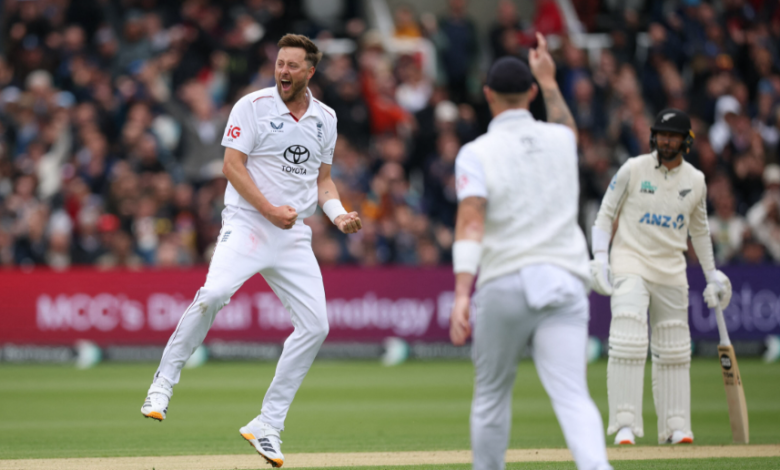
Cricket fans always look forward to matches between England and India. Both teams have a rich cricket history. Their games often bring strong batting, smart bowling, close finishes, and big moments.
An england cricket team vs india national cricket team match scorecard gives fans a simple way to follow everything that happened during a match. It shows team totals, individual scores, wickets, overs, bowling figures, and other important details.
A scorecard also helps fans understand how a match changed from one phase to another. Instead of looking only at the final result, readers can see which players made the biggest impact.
What Is a Cricket Match Scorecard?
A cricket scorecard is a detailed record of a match. It keeps track of the main events from both innings.
A typical scorecard includes:
- Total runs scored by each team
- Runs made by every batter
- Balls faced by each batter
- Fours and sixes
- Strike rate
- Wickets lost
- Overs bowled
- Runs conceded by bowlers
- Wickets taken by bowlers
- Economy rate
- Extras
- Fall of wickets
- Match result
The scorecard acts as a quick summary of the whole game. Fans can use it before, during, and after a match.
Why England vs India Scorecards Matter
England and India are two of the biggest teams in international cricket. Their matches attract fans from around the world.
A scorecard helps readers understand the result without watching the complete match. It also gives useful information for people who want to study player performance.
For example, a team may win comfortably, but the scorecard can show that one batter played the key role. In another game, the winning team may depend on a strong bowling performance.
The numbers tell the story.
England Cricket Team vs India National Cricket Team Match Scorecard
When fans search for an england cricket team vs india national cricket team match scorecard, they often want more than the final score.
They may want to know:
- Who scored the most runs?
- Which batter reached a half-century or century?
- Who took the most wickets?
- How many extras did each team give away?
- What was the run rate?
- Which bowlers controlled the innings?
- When did the match turn?
- How many runs did the losing team need?
- Who won the Player of the Match award?
A full scorecard can answer these questions in one place.
Batting Details in the Scorecard
The batting section usually appears first for each innings. It lists every batter who came to the crease.
The most common columns include:
| Detail | Meaning |
|---|---|
| Batter | Name of the player |
| Runs | Runs scored |
| Balls | Balls faced |
| 4s | Number of fours |
| 6s | Number of sixes |
| Strike Rate | Runs scored per 100 balls |
| Dismissal | How the batter got out |
These details help fans judge batting performance.
A batter who scores quickly may have a high strike rate. Another player may score fewer runs but face many balls and help build the innings.
Both contributions can matter.
Understanding Runs and Strike Rate
Runs are the most important batting figure. They directly add to the team total.
Strike rate shows how quickly a batter scores. In limited-overs cricket, strike rate can have a major impact.
For example, a batter who scores 80 runs from 70 balls makes a different impact from a player who scores 80 from 45 balls.
The first player may have played a steady innings. The second player may have changed the match quickly.
Fans should look at both runs and strike rate when studying an innings.
Bowling Figures in the Scorecard
The bowling section shows how each bowler performed.
It usually includes:
- Overs bowled
- Maidens
- Runs conceded
- Wickets
- Economy rate
- Wides
- No-balls
Bowling figures help explain why an innings succeeded or failed.
A bowler can take several wickets and change the game. Another bowler may take no wickets but give away very few runs. That pressure can also help the team.
What Does Economy Rate Mean?
Economy rate tells us how many runs a bowler gives away per over.
A low economy rate usually means the bowler controlled the scoring rate. A high economy rate means the batting team scored freely against that bowler.
In Test cricket, economy rate has a different role than in limited-overs cricket. Bowlers can focus more on building pressure and taking wickets over a longer period.
In one-day and T20 cricket, controlling runs becomes even more important.
England vs India: Different Formats
England and India can meet in several forms of international cricket.
Test Matches
Test cricket can last up to five days. The scorecard is more detailed because each team can bat twice.
It can show:
- First-innings score
- Second-innings score
- Individual batting figures
- Bowling figures
- Partnerships
- Follow-on information
- Match result
Test scorecards help fans study how teams perform over long periods.
One-Day Internationals
One-Day International matches use limited overs. Each side normally gets one innings.
The scorecard focuses heavily on run rate, wickets, overs, and partnerships.
A team must balance attack with caution. Losing wickets too quickly can hurt the final total.
T20 Matches
T20 cricket moves much faster. Each team gets a short innings.
The scorecard becomes very important because small moments can decide the result.
Fans often focus on:
- Powerplay runs
- Middle-over scoring
- Death-over runs
- Sixes
- Strike rates
- Wickets
- Bowling economy
How to Read an England vs India Scorecard
Reading a scorecard may seem difficult at first. It becomes simple once you know what each section means.
Start with the team totals. Check how many runs each team scored and how many wickets they lost.
Next, look at the leading batters. Find out who made the biggest contribution.
Then check the bowling figures. Look for bowlers who took important wickets or kept the run rate low.
Finally, check the result and match summary.
This simple process gives you a clear picture of the game.
Important Batting Statistics to Watch
Not every number on a scorecard has the same value.
These statistics deserve special attention:
Total Runs
The team total gives the first idea of the batting performance.
Top Score
The highest individual score often identifies the main batting contributor.
Strike Rate
This shows scoring speed and can be especially important in limited-overs cricket.
Boundaries
Fours and sixes show how aggressively a batter attacked.
Partnerships
A strong partnership can change the direction of an innings.
Important Bowling Statistics to Watch
Bowling figures can also reveal the key moments.
Wickets
Wickets often have the biggest direct impact on the game.
Economy Rate
This shows how well a bowler controlled scoring.
Maidens
Maidens are especially valuable in longer formats because they create pressure.
Runs Conceded
This figure helps fans compare bowlers and understand who the batters attacked successfully.
The Importance of Partnerships
Cricket is a team sport. A single batter rarely wins a match alone.
Partnerships can provide stability after an early wicket. They can also help a team attack during the middle or final overs.
A scorecard usually records partnerships through the individual batting figures and fall-of-wicket information.
When studying an England vs India match, look at the partnerships that built the innings. They often explain why one side reached a strong total.
Fall of Wickets
The fall-of-wickets section tells fans when each wicket fell.
It can show:
- The team score at each wicket
- The batter dismissed
- The approximate stage of the innings
This section can reveal the match momentum.
If a team loses several wickets close together, its innings may have collapsed. If wickets fall slowly, the batting side may have built a strong base.
Extras in the Scorecard
Extras are runs that do not belong to a batter.
Common extras include:
- Wides
- No-balls
- Byes
- Leg byes
- Penalty runs
Extras can have a major effect on a close match.
A team that gives away too many extras provides free runs to the opposition. Strong bowling teams usually try to keep extras under control.
How Scorecards Show Match Momentum
A scorecard does more than record numbers. It can help explain momentum.
Suppose India loses early wickets but then produces a large partnership. The scorecard shows that recovery.
If England starts quickly but loses wickets in the middle overs, the scorecard can show where the innings slowed down.
Fans can therefore use the scorecard as a simple match story.
Key Players to Follow
England and India have produced many outstanding cricketers over the years. Player roles can vary based on the format and selection.
When reviewing a match scorecard, focus on players who:
- Score quickly
- Build long innings
- Take early wickets
- Control the middle overs
- Bowl during pressure situations
- Finish an innings strongly
- Perform well in important moments
The biggest name does not always produce the biggest performance. That is one reason scorecards are useful.
England vs India Match Comparisons
Fans often compare the two teams after a match.
A simple comparison can include:
| Category | England | India |
|---|---|---|
| Total runs | Check scorecard | Check scorecard |
| Wickets lost | Check scorecard | Check scorecard |
| Top batter | Check scorecard | Check scorecard |
| Top bowler | Check scorecard | Check scorecard |
| Extras | Check scorecard | Check scorecard |
| Result | Match outcome | Match outcome |
This format makes it easier to understand the main differences.
The exact figures always depend on the specific match and format.
Why Recent Scorecards Are Useful
A recent scorecard can help fans understand current form. It may show whether a batter is scoring consistently or whether a bowler is taking regular wickets.
However, one match does not always show the complete picture.
Fans should compare several scorecards when they want to understand form.
For example, a batter may score a low total in one match and then produce a big score in the next. Looking at a wider set of games gives a better view.
Scorecards and Fantasy Cricket
Many cricket fans also use scorecards to study fantasy cricket performances.
They can check:
- Runs
- Wickets
- Catches
- Strike rate
- Economy rate
- All-round contributions
These statistics help fans understand which players contributed across different areas.
Still, fantasy points can follow different scoring systems. Fans should always check the rules of their chosen fantasy platform.
Scorecards for Cricket History
England and India share a long cricket history. Their matches have produced memorable innings, bowling spells, and close finishes.
Old scorecards remain useful for cricket historians and fans.
They allow readers to revisit past matches and compare players from different eras.
A scorecard can preserve details that a simple match result cannot.
Common Questions About England vs India Scorecards
Where Can I Find an England vs India Scorecard?
You can find match scorecards on major cricket websites and official cricket platforms. Always select the correct match because England and India play across multiple formats and series.
What Does “Yet to Bat” Mean?
It means a listed batter has not entered the crease. The player may be part of the batting lineup but has not batted yet.
What Does “Not Out” Mean?
A batter is marked not out when the innings ends before that player is dismissed.
Why Are Wickets Important?
Wickets remove batters from the innings. Losing wickets can reduce a team’s ability to score runs.
What Is a Partnership?
A partnership is the number of runs scored by two batters together before one of them is dismissed or the innings ends.
Tips for Following a Live Scorecard
A live scorecard changes after almost every ball. Fans can follow it more easily by focusing on the most important information first.
Watch:
- Current score
- Wickets
- Overs
- Required run rate
- Top batters
- Current bowlers
- Recent wickets
- Recent boundaries
Do not worry about every statistic at once. Start with the basic score and then explore the details.
How the Scorecard Helps After the Match
After the match ends, the scorecard becomes a useful reference.
It can help fans answer questions such as:
- Why did the team win?
- Which batter changed the game?
- Which bowler created pressure?
- When did the match turn?
- Did the team lose too many wickets?
- Did extras make a difference?
This makes the scorecard more valuable than a simple final result.
Final Thoughts
An england cricket team vs india national cricket team match scorecard gives cricket fans a complete view of a match. It records batting, bowling, wickets, partnerships, extras, and the final result.
England and India matches often create intense cricket moments. A detailed scorecard lets fans study those moments long after the final ball.
Whether you follow Test cricket, ODIs, or T20 matches, learning to read a scorecard makes watching cricket more enjoyable. You can understand player performances, identify turning points, and compare both teams with greater clarity.
The final score tells you who won. The scorecard tells you how the match was won or lost.
Frequently Asked Questions
What information does an England vs India scorecard contain?
It normally contains batting scores, bowling figures, extras, wickets, partnerships, overs, and the final match result.
Can I use a scorecard to compare players?
Yes. You can compare runs, balls faced, strike rates, wickets, economy rates, and other available statistics.
Are Test and T20 scorecards different?
Yes. Test scorecards include more innings and longer-form statistics, while T20 scorecards focus on short innings and faster scoring.
Why should fans check the full scorecard?
The full scorecard shows individual performances and match details that the final result alone does not provide.
What is the best way to understand a scorecard?
Start with the team totals, then check top batters, wickets, bowling figures, partnerships, extras, and the final result.
Can an old scorecard still be useful?
Yes. Historical scorecards help fans study past matches, compare performances, and understand cricket history.