

Building a deck is one of the most rewarding home improvement projects you can take on. It expands your living space, boosts property value, and creates the perfect setting for entertaining or relaxing outdoors. But before you start sketching designs, there’s one important question to answer: how much does it cost to build a deck in 2026?
The truth is, deck costs vary widely depending on size, materials, design complexity, and labor. Let’s break it down clearly so you can budget with confidence.
Average Deck Construction Costs in 2026
In 2026, the average cost to build a deck ranges between $8,000 and $25,000. Smaller, ground-level decks made from pressure-treated wood fall on the lower end, while large, multi-level composite decks with custom features can exceed $35,000.
On average, homeowners spend about $35 to $75 per square foot, depending on materials and design choices.
Here’s a quick cost snapshot:
- Basic wood deck (200–300 sq ft): $8,000–$14,000
- Mid-range cedar deck: $12,000–$20,000
- Composite deck with upgrades: $18,000–$35,000+
The bigger and more customized your deck, the higher the investment.
Material Costs: Wood vs. Composite
Material selection significantly impacts your budget.
Pressure-Treated Wood
This is the most affordable option upfront. It costs less per square foot but requires regular staining and sealing. Over time, maintenance expenses add up.
Cedar or Redwood
These natural woods offer better durability and a rich appearance. They cost more than pressure-treated lumber but provide improved longevity.
Composite Decking
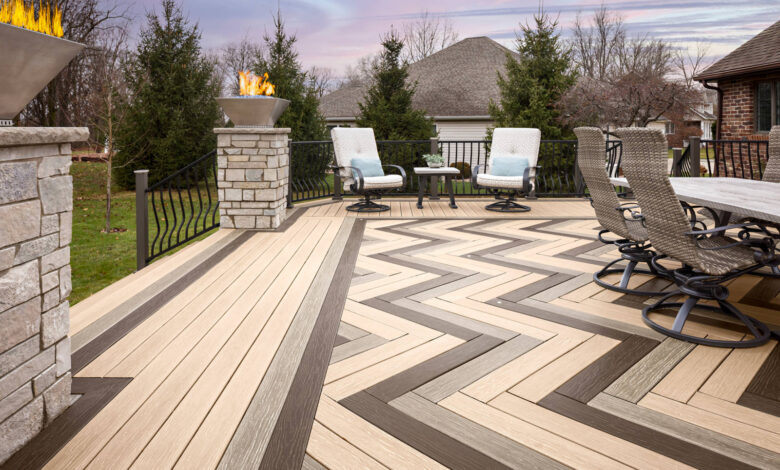
Composite materials cost 30–50% more initially, but they require far less maintenance. They resist fading, rot, and insects. Over 15–25 years, many homeowners find composite decking more cost-effective.
If you want long-term durability with minimal upkeep, composite may justify the higher upfront price.
Labor Costs and Professional Installation
Labor typically accounts for 40–60% of the total project cost. While DIY may seem tempting, professional installation ensures structural safety, proper footings, and code compliance.
Experienced contractors handle:
- Permit applications
- Structural engineering requirements
- Accurate leveling and framing
- Safe railing installation
- Weather-resistant construction
Professional craftsmanship reduces the risk of costly repairs down the road.
For homeowners seeking expert design and reliable construction, https://decksforlife.ca/ provides customized deck solutions that balance budget, aesthetics, and durability.
Additional Features That Increase Deck Costs
Adding custom elements can elevate both price and functionality.
Popular upgrades include:
- Built-in seating ($1,500–$4,000)
- Glass or cable railings ($3,000–$10,000)
- Outdoor kitchens ($5,000–$20,000+)
- Pergolas or covered roofs ($4,000–$15,000)
- Integrated lighting systems ($1,000–$5,000)
Each feature enhances comfort and resale value but should align with your overall budget.
Permits, Inspections, and Code Requirements
Most municipalities require permits before construction begins. Permit fees typically range from $300 to $1,000, depending on your region and project size.
Skipping permits can result in fines or mandatory removal, so always verify local regulations.
Professional builders usually manage this process for you, ensuring your deck meets safety standards and inspection requirements.
Return on Investment (ROI)
A well-built deck offers strong resale value. On average, homeowners recover 60–75% of their investment when selling their property.
Composite decks tend to provide slightly higher ROI due to durability and lower maintenance appeal. However, the true value lies in daily enjoyment and lifestyle improvement.
After all, a deck isn’t just a structure — it’s where summer dinners, birthday parties, and quiet evenings happen.
Final Thoughts
The cost to build a deck in 2026 depends on size, materials, labor, and design features. A simple wood deck can be budget-friendly, while a custom composite masterpiece requires a larger investment.
The key is balancing upfront cost with long-term value. Careful planning, professional guidance, and quality materials ensure your deck remains beautiful and safe for years.