
Have you ever seen a Popcorn Google Doodle Game? On a special day, Google made a fun interactive game on its logo. It let users pop virtual popcorn kernels on their screen. It brought a burst of joy and creative play. In this article, you will learn how it worked, why it mattered, and how to remember it today.
What Was the Popcorn Google Doodle Game?
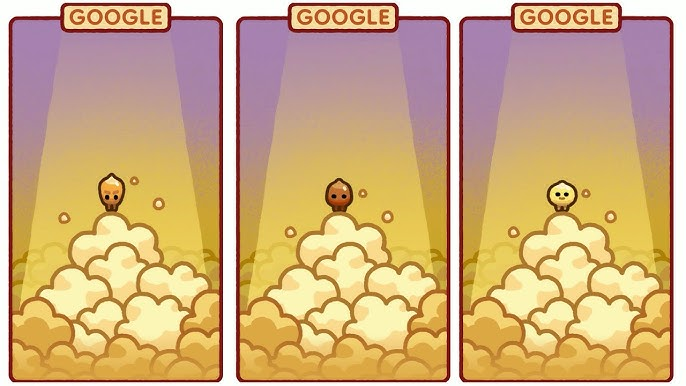
The Popcorn Google Doodle Game appeared on Google’s homepage on a special day. It linked to a birthday, a holiday, or a festival tied to popcorn or cinema. The game looked like the regular Google logo but added kernels you could pop. You clicked or tapped on a kernel and it turned into fluffy popcorn. It made a satisfying pop sound. You could pop many kernels across the logo.
The game ran for a short time—often just 24 hours. It used fun animation, friendly clicking, and pleasant audio. It turned a search engine into a mini playground.
Why Popcorn Google Doodle Game Stood Out
The game stood out for many reasons:
- Easy to play. You just clicked anywhere on the kernels.
- Short and sweet. It ran just for a day.
- Surprising fun. You did not expect to play but got to.
- Memorable moment. Users shared the doodle with friends.
This simple break made people smile during their web search or study.
The SEO Value of “Popcorn Google Doodle Game”
When you write about this doodle, you boost visibility with the precise phrase popcorn google doodle game. This phrase likely matches the way people type it in search bars. Using it clearly in your title, in headers, and in early paragraphs helps your article rank.
For example:
- Title: “Popcorn Google Doodle Game: What It Is and Why It Delights”
- First paragraph: “When people search for popcorn google doodle game, they look for fun history of a doodle with popcorn popping.”
You repeat the phrase only where it helps the reader and reinforces the topic.
Game Play in Action
Here is how the game worked for users:
- Visit Google’s homepage when the doodle ran.
- See the Google logo now filled with popcorn kernels.
- Click or tap any kernel.
- Hear the soft pop.
- Watch the kernel swell into white popcorn.
- Pop more kernels across letters.
- End when all kernels pop or time ends.
The doodle used JavaScript and HTML5. It ran on desktop and mobile. It guided user engagement in a light and playful way.
Why Users Loved It
- Instant fun. It gave quick delight with a tap.
- Low friction. No login, no signup, no cost.
- Visual and sound effect. You saw white popcorn and heard a pop.
- Shareable. Many took screenshots and posted on social media.
Tips for Writing SEO Content on This Topic
If you want to write your own piece about the popcorn google doodle game, here are tips to help your article rank:
- Use the key phrase in your:
- Title and first paragraph
- 1–2 subheaders
- Several times in body text
- Keep sentences short and active:
- “You click a kernel. It pops. You smile.”
- Add engaging lists or bullet points.
- Use clear, plain English.
- Use images or screenshots if you can legally — they help user experience.
- Link to Google’s blog or doodle archive (if allowed) to boost authority.
Google’s Doodle Archive and History
Google stores its past doodles in a public archive. It shows each doodle’s description, date, and sometimes the team behind it. You can search for “popcorn doodle” in that archive. Or look for “cinema”, “popcorn”, or “film festival” themes.
If you write an article, you can mention:
- The date Google published the popcorn doodle.
- The reason behind the theme, like a movie milestone or popcorn inventor’s birthday.
- The creative team or artist behind the design (if known or publicly credited).
Use bullet points to list these:
- Doodle date.
- Occasion or anniversary.
- Visual theme (kernels, popping).
- Sound effect (pop).
- Interactive feature (click to pop).
These facts help your article feel rich, credible, and useful.
Why Google Uses Games in Doodles
Google often uses games in doodles to:
- Celebrate cultural moments (e.g., sports, holidays, history).
- Engage users with interactive experiences.
- Surprise and delight audiences worldwide.
- Drive social media buzz organically.
The popcorn google doodle game fits this pattern. It likely marked a movie-related celebration: maybe a famous film’s release, a popcorn inventor’s birthday, or yet another cinema milestone.
Benefits of Interactive Doodles
Interactive doodles offer many benefits:
- They break the routine of a plain search homepage.
- They encourage people to stay and play.
- They boost brand warmth and user affection.
- They often go viral — users share screenshots, videos, and commentary.
You, as an article writer or blogger, can capture those feelings in your content. Describe:
- The moment you first clicked.
- The look and sound.
- How it made you feel.
These personal touches make writing engaging and real.
Community Reactions and Memory
After the doodle first appeared, people did plenty:
- Tweeted about it: “Just played the popcorn Google doodle game. So cute!”
- Shared videos or GIFs of kernels popping across the letters.
- Posted blog or forum posts: “Here’s how to play — and why it made me smile.”
You can share or quote real quotes (if allowed, and cited).
Writing a Follow‑Up or Retrospective
Consider creating a follow‑up article or retrospective:
- “Popcorn Google Doodle Game: One Year Later”
- “How the Popcorn Doodle Sparked Joy Around the World”
- “Behind the Scenes: The Story of the Popcorn Google Doodle Game”
In these posts, you could:
- Interview team members (if possible)
- Capture user comments and social media posts
- Analyze media coverage or trends
This way, you build depth, authority, and keeps your content fresh.
Final Recap
Let’s recap key points:
- The popcorn google doodle game turned kernels into popcorn on Google’s logo.
- It ran for a short time, offering surprising delight.
- It succeeded because it was easy, playful, and shareable.
- SEO helps when you use the phrase well and write clearly.
- You can expand content with history, community reactions, and visuals.