
SaaS Growth Stack Essentials: Analytics, Automation, and the QA Tools That Keep Everything Reliable

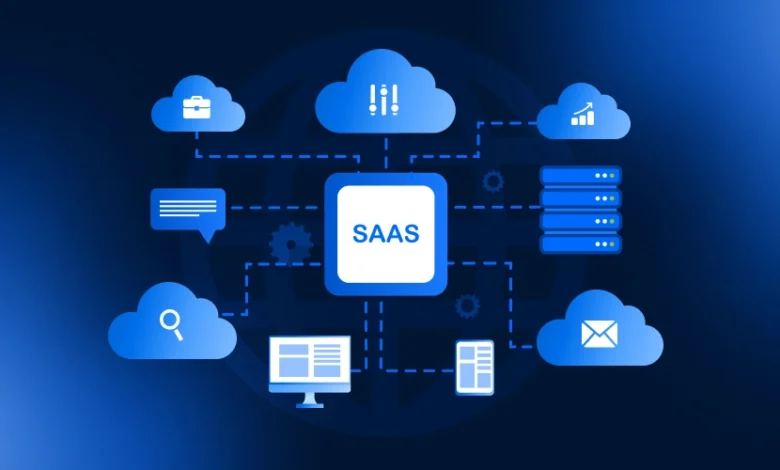
Scaling a SaaS business is not only about getting more traffic. It is about building a system that can turn that traffic into revenue consistently. That is where a strong growth stack comes in.
A modern SaaS growth stack is a mix of tools and processes that support acquisition, activation, retention, and expansion. Most teams focus on obvious pieces like analytics, email automation, and CRM. But many forget the most important part: reliability.
If your landing page breaks on Safari, your onboarding form fails on mobile, or your pricing page loads differently across browsers, your growth engine starts leaking money. Even worse, you might never notice the issue because your reports still show clicks and sessions.
Below is a practical breakdown of the essential SaaS growth stack layers, plus the QA tools and workflows that make sure your marketing and product experience stays stable as you scale.
Analytics and Tracking: The Foundation of Smart Growth
Analytics tools help you measure what is working and what is wasting budget. This includes:
- Website analytics to track sessions, sources, and behavior
- Product analytics to understand activation and retention
- Event tracking to connect marketing efforts to real outcomes
To make analytics actionable, focus on clean tracking:
- Define key events like signup, trial start, upgrade, and churn risk actions
- Maintain consistent naming conventions across tools
- Validate that tracking fires correctly on every key page
If your analytics breaks, your team will make decisions based on incomplete or misleading data. That leads to poor targeting, weak landing page experiments, and wasted ad spend.
Attribution and Reporting: Connecting Campaigns to Revenue
As your marketing becomes more complex, you need better attribution and reporting to understand where revenue truly comes from.
A strong reporting stack usually includes:
- Multi-touch attribution for long sales cycles
- Channel and campaign dashboards for weekly decision-making
- Data connectors to unify sources into one view
This is especially important for B2B SaaS companies, where buyers might interact with multiple touchpoints before converting.
However, attribution is only as reliable as your funnel. If your forms work on one browser but fail on another, your reports will show confusing drop-offs that are not caused by messaging or targeting. They are caused by broken experiences.
Automation and Lifecycle Messaging: Turning Leads Into Customers
Marketing automation is a core layer of every growth stack. It helps you:
- Nurture leads over time
- Recover dropped signups
- Educate trial users
- Improve retention with product-led messaging
Automation tools often power:
- Welcome sequences
- Trial onboarding and reminders
- Re-engagement campaigns
- Upgrade prompts and usage tips
But automation only works when the customer journey is smooth. If a user clicks your email CTA and lands on a page that does not render properly on their device, you lose them instantly. That failure is rarely reported by the user, which makes it even more dangerous.
CRM and Lead Management: Keeping Sales and Marketing Aligned
A CRM is the operational hub for tracking the pipeline and customer relationships. It supports:
- Lead scoring and qualification
- Sales handoffs and follow-ups
- Tracking deal stages and forecasts
- Managing account expansion opportunities
When integrated properly with marketing and product usage data, CRM workflows can drive fast growth. But CRM success depends on clean lead capture.
That means your signup forms, demo request pages, and trial activation flows must work reliably across every browser and device your audience uses.
Experimentation and Conversion Optimization: Making Growth Predictable
CRO and experimentation tools allow teams to test improvements without guessing. Common areas include:
- Headlines and positioning
- Pricing page layouts
- Trial signup forms
- Checkout flows and payment steps
- Onboarding sequences
Experimentation is one of the fastest ways to improve CAC efficiency. But it introduces risk. Every test changes the user experience, which can create unexpected bugs.
For example:
- A variation might cause a layout shift on mobile Safari
- A CTA button might stop responding on one browser
- A form field may behave differently in Edge
If you do not validate those changes across browser environments, you risk shipping an experiment that hurts conversions quietly.
Performance and Speed Tools: Helping Visitors Stay Engaged
Speed is still a major advantage in SaaS marketing. A slow site can lower conversions, increase bounce rate, and reduce paid campaign efficiency.
Performance tools can help you measure:
- Page load time
- Core Web Vitals
- Script impact from third-party tags
- Mobile performance issues
A faster funnel usually performs better. But speed alone is not enough. A fast landing page that breaks in one browser still fails the customer.
Performance and reliability need to work together.
QA and Reliability: The Growth Layer Most Teams Ignore
Here is the truth: SaaS growth stacks often look impressive on paper, but the real results come from consistency.
Reliability is what makes your growth stack trustworthy. It ensures your funnel works the same way for every user, no matter what device or browser they use.
This is where QA and cross-browser testing should be part of the growth stack, not an afterthought.
If you want to scale campaigns confidently, you need to test:
- Landing page rendering across browsers
- Signup and demo forms
- Payment and checkout journeys
- Pricing page interactions
- Onboarding steps and redirects
- Critical user actions after login
One simple way to do this is by using testRigor as cross browser testing tool, especially when your landing pages and onboarding flows must work everywhere before launching new campaigns or releases.
This creates a stronger feedback loop between marketing, product, and QA, which leads to higher conversions and fewer surprises.
Final Takeaway: Build a Growth Stack You Can Trust
A SaaS growth stack is not only about adding more tools. It is about building a system that performs consistently at every stage of the funnel.
Start with strong analytics and automation. Use reporting to find what is working. Improve performance and run experiments carefully. Then protect everything with a reliability layer that validates cross-browser experiences and prevents hidden funnel failures.
When your growth stack is reliable, scaling becomes easier. Your attribution becomes cleaner. Your marketing becomes more confident. Most importantly, your users get the experience they expect, every time.