
If you live or work in the UK, you may have heard the term UTR number. But what is a UTR number exactly? Why is it important? And when do you need one?
In this article, we will answer all your questions in plain and simple English. Whether you’re self-employed, just starting your business, or dealing with taxes, this guide will help you understand everything you need to know about your UTR number.
What Is UTR Number?
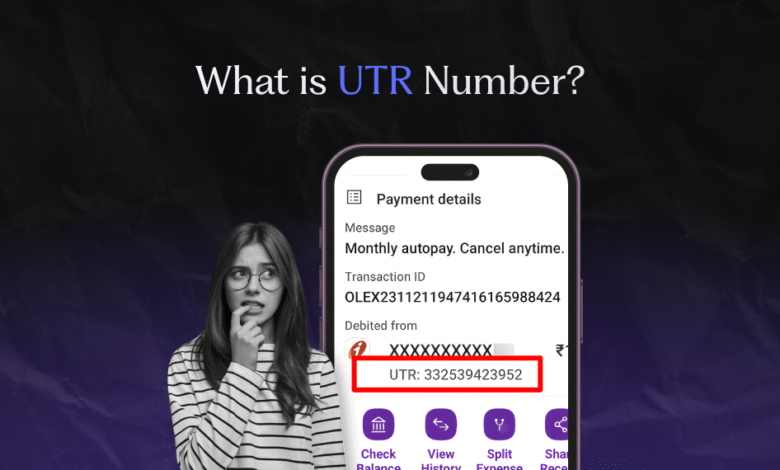
UTR stands for Unique Taxpayer Reference. HMRC (Her Majesty’s Revenue and Customs) gives this number to people and companies in the UK who need to file tax returns.
A UTR number is:
- A 10-digit number
- Unique to each taxpayer
- Issued by HMRC
For example, a UTR number might look like this: 1234567890.
You will get a UTR number when you register for self-assessment tax or set up a limited company.
Why Is a UTR Number Important?
Your UTR number tells HMRC who you are. It helps HMRC track your tax records. Without it, you cannot submit your tax returns correctly.
Here are some reasons a UTR number is important:
- You need it to file self-assessment tax returns
- It helps HMRC identify your tax account
- It links to all your tax records and payments
- You may need it when working as a contractor
- It is required when setting up a company
If you are self-employed or own a small business, your UTR number becomes one of your most important tax details.
Who Needs a UTR Number?
Not everyone needs a UTR number. You only need it if you are responsible for filing your own taxes.
You need a UTR number if:
- You are self-employed
- You are a sole trader
- You are a business partner in a partnership
- You run a limited company
- You receive rental income
- You earn income not taxed at source (like freelance work)
- You need to file a Self Assessment tax return
If you only earn income through PAYE (Pay As You Earn), and you don’t have other income, you usually don’t need a UTR number.
How to Get a UTR Number
Getting a UTR number is easy. You need to register with HMRC for Self Assessment.
Here’s how to get your UTR number:
For Individuals (Sole Traders or Self-Employed):
- Visit the HMRC website
- Register for Self Assessment
- Fill in your personal details
- Submit your application
Within 10 days (21 days if abroad), HMRC will send your UTR number by post.
For Companies:
- Register your company with Companies House
- HMRC automatically sends your UTR number to your company’s registered address
The UTR for a company is different from the UTR for an individual. Make sure you use the correct one.
Where Can You Find Your UTR Number?
If you already have a UTR number, you can find it in several places.
Look for your UTR number on:
- Your SA250 “Welcome to Self Assessment” letter
- HMRC’s Self Assessment tax return letters
- Your HMRC online account
- Your tax return documents
- Payslips or P60s (if self-employed)
You can also contact HMRC if you lose your UTR number. They will reissue it to your registered address.
What Does a UTR Number Look Like?
A UTR number is a 10-digit code. It may look like this: 1234567890.
Sometimes, it appears with a letter prefix (like 12345 67890 K), but the main UTR is always the 10 digits.
Make sure you don’t confuse it with your National Insurance Number or Company Number—they are different.
When Do You Need a UTR Number?
You need your UTR number when dealing with tax-related tasks.
Here are common times when you’ll need it:
- Filing your Self Assessment tax return
- Paying your tax bill
- Applying for CIS (Construction Industry Scheme)
- Working as a contractor or freelancer
- Claiming tax refunds
- Talking to HMRC about your taxes
Always keep your UTR number safe and private. It works like a tax ID.
How Long Does It Take to Get a UTR Number?
Usually, HMRC sends your UTR number within 10 working days after you register. If you’re abroad, it may take up to 21 days.
If you don’t get your UTR number in time, contact HMRC to follow up.
Can You Work Without a UTR Number?
Yes, but only if you’re not self-employed. If you are:
- A sole trader
- A contractor
- A freelancer
Then you must have a UTR number to file taxes and avoid fines.
If you work under PAYE, your employer handles your taxes, and you don’t need a UTR number.
What Happens If You Don’t Have a UTR Number?
If you fail to get a UTR number when required, you may:
- Miss tax deadlines
- Receive penalties and fines
- Face delays in payments or refunds
- Be unable to register for CIS
- Risk legal trouble with HMRC
To avoid these issues, register for your UTR number as soon as you start earning self-employed income.
UTR Number vs. Other Numbers
Here’s how a UTR number compares to other common UK numbers:
| Number Type | Purpose | Format/Length |
|---|---|---|
| UTR Number | Tax identification (HMRC) | 10 digits |
| National Insurance | Social security and benefits | 2 letters, 6 digits |
| Company Number | Company ID (Companies House) | 8 digits |
| VAT Number | VAT registration (HMRC) | 9 digits (GB prefix) |
Don’t mix these up. Each number serves a different purpose.
Is a UTR Number the Same as a Tax Code?
No. Your UTR number is not the same as your tax code.
- Your UTR identifies you to HMRC
- Your tax code tells your employer how much tax to deduct
Both are important, but they serve different functions.
How to Keep Your UTR Number Safe
Your UTR number is sensitive. Anyone with it could try to access your tax information.
Tips to keep it safe:
- Don’t share it publicly
- Avoid sending it by email or text
- Store it in a secure file
- Only give it to trusted accountants or HMRC
If you think someone misused your UTR number, contact HMRC right away.
Common Questions About UTR Numbers
1. Can I have more than one UTR number?
No. You should only have one UTR number per person or company.
2. Can I change my UTR number?
No. Your UTR stays the same for life, even if your job or address changes.
3. What if I lost my UTR number?
Log into your HMRC account or call HMRC to request it again.
4. Is a UTR number free?
Yes. HMRC issues it free of charge when you register for Self Assessment.
5. Do I need a UTR number for part-time self-employment?
Yes. If you earn income outside PAYE, you need a UTR number, no matter how small the amount.
Conclusion: Why UTR Numbers Matter
Your UTR number is a key part of your tax life in the UK. It helps HMRC track your income, tax payments, and returns. If you’re self-employed, a business owner, or earn untaxed income, you must have one.
Here’s a quick recap:
- UTR stands for Unique Taxpayer Reference
- It’s a 10-digit number given by HMRC
- You need it to file taxes, especially Self Assessment
- You can get it by registering on the HMRC website
- Keep it safe, and use it only when required
Getting your UTR number early can help you stay on top of your taxes and avoid penalties.
So next time someone asks “What is UTR number?”, you’ll know exactly what to tell them!