

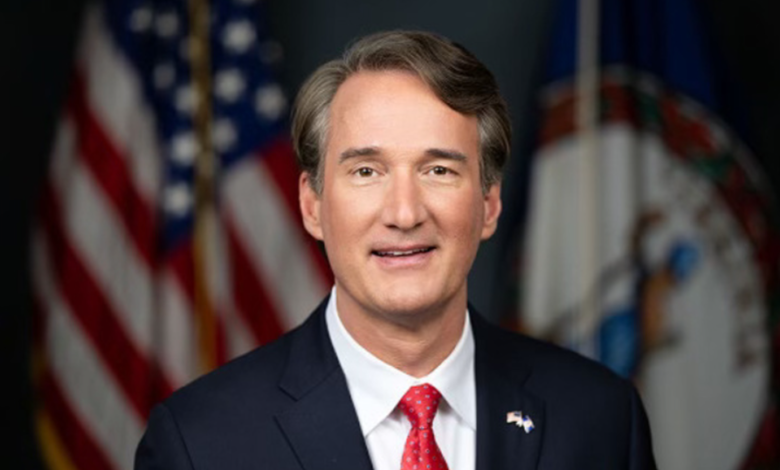
Glenn Youngkin stands out as a unique figure in modern American politics. He spent decades building a lucrative business career before stepping into public service. His rise to national prominence proved that business outsiders can reshape state governance.
Understanding Glenn Youngkin requires looking at both his private enterprise roots and his gubernatorial tenure in Virginia. He blends corporate efficiency with grassroots political appeal. This article examines his early life, executive career, political breakthrough, policy decisions, and long-term political legacy.
Early Life and Educational Foundations
Glenn Youngkin was born in Richmond, Virginia, in 1966. He learned the value of hard work at an early age. During his youth, he took a job washing dishes at a local diner to support himself.
Sports played a critical role in shaping his leadership mindset. Standing 6 feet 7 inches tall, Youngkin excelled at basketball. His athletic talents earned him an NCAA Division I basketball scholarship to Rice University.
At Rice University, Glenn Youngkin pursued a rigorous academic path. He earned two bachelor’s degrees in 1990:
- Bachelor of Science in Mechanical Engineering
- Bachelor of Arts in Management Studies
He continued his education at Harvard Business School. There, he completed his Master of Business Administration (MBA) in 1994 and graduated as a prestigious Baker Scholar. This academic training gave him the financial expertise that defined his private sector career.
The Carlyle Group: Decades in High Finance
After completing his education, Glenn Youngkin worked briefly at the management consulting firm McKinsey & Company. In 1995, he joined The Carlyle Group, a world-renowned private equity firm based in Washington, D.C.
Youngkin spent 25 years climbing the corporate ladder at Carlyle. He held key operational leadership positions across several global divisions:
- UK Operations Leader: He managed investments and built capital operations in London.
- Chief Operating Officer (COO): He streamlined global deal-making and improved internal workflows.
- Co-Chief Executive Officer (Co-CEO): He took over firm-wide leadership alongside Kewsong Lee in 2018.
As Co-CEO, Glenn Youngkin managed over $200 billion in assets under management. His tenure proved his ability to run complex organizations, raise massive investment funds, and negotiate large deals. He retired from The Carlyle Group in 2020 to transition toward public service.
The 2021 Gubernatorial Campaign
In 2021, Glenn Youngkin launched his campaign for Governor of Virginia. He had never held public office before. He ran as an outsider who could manage state operations like a business executive.
He faced former Democratic Governor Terry McAuliffe in a heavily watched general election. Youngkin developed a distinct, approachable personal brand. He frequently wore a signature fleece vest on the campaign trail, signaling that he was accessible to working-class families.
       [ Business Career ]
(25 Years at The Carlyle Group)
              │
              ▼
   [ 2021 Campaign Trail ]
(Focus: Education & Economy)
              │
              ▼
   [ Governor of Virginia ]
 (January 2022 – January 2026)
Youngkin focused his campaign message on clear, local issues that resonated directly with families:
- Parental Rights in Education: He gave parents a direct voice in school curricula and safety policies.
- Tax Relief: He promised to lower income taxes and end state sales taxes on groceries.
- Public Safety: He supported law enforcement funding and community policing efforts.
- Economic Growth: He focused on cutting burdensome red tape to create private sector jobs.
Youngkin won the election in November 2021. He became the first Republican to win statewide office in Virginia since 2009. His victory offered a blueprint for suburban political strategy nationwide.
Economic Reforms and Governance
Glenn Youngkin brought a corporate management style to the Virginia Governor’s mansion. His administration focused heavily on state competitiveness, job creation, and tax cuts.
Economic Achievements
Under his leadership, Virginia focused on attracting major global businesses. Youngkin personally courted corporate relocations and capital investments. His economic team achieved several prominent milestones:
- CNBC Ranking: CNBC named Virginia America’s Top State for Business in 2024.
- Capital Investment: The state secured over $85 billion in capital commitments from domestic and foreign businesses.
- Job Creation: Virginia added nearly 250,000 new workforce jobs during his term.
- Regulatory Streamlining: He cut bureaucracy across the Department of Motor Vehicles (DMV) and streamlined government permitting processes.
┌─────────────────────────────────────────────────────────────┐
│             YOUNGKIN'S ECONOMIC RECORD                      │
├──────────────────────────────┬──────────────────────────────┤
│ Metric                       │ Performance Impact           │
├──────────────────────────────┼──────────────────────────────┤
│ Business Capital Commitments │ $85+ Billion Secured         │
│ Net Job Creation             │ Nearly 250,000 New Jobs      │
│ National Business Rank       │ Named #1 State (CNBC 2024)   │
│ Tax Relief Delivered         │ Multi-Billion Dollar Package │
└──────────────────────────────┴──────────────────────────────┘
Education Reform and Parental Rights
Education stood as the cornerstone of Glenn Youngkin’s agenda. His campaign highlighted educational choice, academic excellence, and parental input. Once in office, he moved swiftly to enact broad changes across public schools.
Key Educational Initiatives
- The Virginia Literacy Act: This law introduced science-backed reading instruction across elementary schools.
- Lab Schools Launch: His administration funded innovative partnership schools with public colleges to expand educational choices.
- Teacher Compensation: He secured historic state funding that delivered an 18% salary increase for public school teachers.
- Public School Phone Policies: He restricted cell phone usage during class time to improve focus and mental health.
- Model School Policies: He released guidelines requiring schools to respect parental authority regarding student names, pronouns, and locker room access.
Youngkin argued that strong schools form the basis of a thriving economy. His education policy stirred active debate, but it kept Virginia at the center of national discussions on school choices.
Healthcare, Public Safety, and Energy Policy
Beyond taxes and schools, Glenn Youngkin tackled behavioral health, law enforcement, and infrastructure.
Behavioral Health Initiative: “Right Help, Right Now”
Virginia faced growing mental health and addiction crises. Youngkin created the “Right Help, Right Now” program. This multi-year plan reformed behavioral health care across the Commonwealth. It expanded mobile crisis units, added psychiatric beds, and provided immediate care for people facing mental health emergencies.
Public Safety Investments
Youngkin expanded state support for law enforcement agencies. His budgets delivered pay raises, advanced tactical equipment, and better training programs for police officers and sheriff’s deputies.
Energy and Power Infrastructure
Youngkin introduced an “All-American, All-of-the-Above” energy plan. This policy prioritized:
- Natural gas development for dependable power generation.
- Small modular nuclear reactors (SMRs) for clean baseline energy.
- Targeted environmental conservation for the Chesapeake Bay watershed.
Political Style and Leadership Strategy
The political style of Glenn Youngkin combines conservative principles with executive corporate mechanics. He relies heavily on data metrics, performance goals, and key performance indicators (KPIs) to manage state agencies.
                     ┌───────────────────────┐
                     │   GLENN YOUNGKIN      │
                     │   LEADERSHIP MODEL    │
                     └───────────┬───────────┘
                                 │
         ┌───────────────────────┼───────────────────────┐
         ▼                       ▼                       ▼
┌─────────────────┐     ┌─────────────────┐     ┌─────────────────┐
│ Executive Style │     │ Suburban Focus  │     │ Pragmatic Tone  │
│ Runs state like │     │ Targets voters  │     │ Uses optimistic │
│ a business firm │     │ on local issues │     │ business style  │
└─────────────────┘     └─────────────────┘     └─────────────────┘
Strategic Elements of His Style
- Optimistic Messaging: He projects a cheerful, professional tone rather than relying purely on partisan combat.
- Focus on Local Needs: He targets suburban voters by focusing on real-world items like tax bills, test scores, and neighborhood safety.
- Business Discipline: He holds agency heads directly accountable using structured operational standards.
Transition and Post-Gubernatorial Impact
Virginia’s state constitution uniquely restricts governors from serving consecutive terms. Because of this rule, Glenn Youngkin could not run for re-election in 2025.
He finished his governorship in January 2026. He oversaw an orderly state transition, holding constructive meetings with Democrat Abigail Spanberger, who succeeded him in office.
┌─────────────────────────────────────────────────────────────┐
│                 TIMELINE OF PUBLIC SERVICE                  │
├───────────────┬─────────────────────────────────────────────┤
│ Years         │ Event / Role                                │
├───────────────┼─────────────────────────────────────────────┤
│ 1995 – 2020   │ Executive Career at The Carlyle Group       │
│ 2018 – 2020   │ Serves as Co-CEO of The Carlyle Group       │
│ Nov 2021      │ Elected 74th Governor of Virginia           │
│ Jan 2022      │ Sworn into office in Richmond               │
│ Jan 2026      │ Completes gubernatorial term                │
└───────────────┴─────────────────────────────────────────────┘
Glenn Youngkin remains an influential leader within the national Republican Party. Political analysts view his campaign strategies and policy achievements as a proven model for winning competitive swing regions. His background as a CEO and governor positions him as a prominent figure in future political discussions.
Conclusion
Glenn Youngkin transformed from a private equity executive into one of the nation’s most visible state leaders. His governorship demonstrated how corporate experience can reshape public policy, streamline government administration, and boost state economic growth.
By balancing fiscal growth with parental rights and government reform, Youngkin made a lasting impact on Virginia’s political landscape. His career offers valuable lessons on how business discipline and clear communication can build electoral success.