
Understanding Zderzenie: Causes, Impacts, and Prevention Across Different Industries

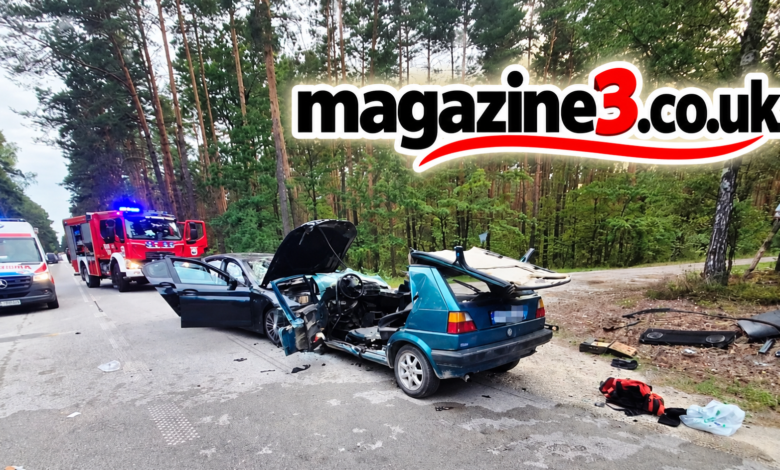
The Polish word zderzenie translates directly to collision, crash, or impact in English. It describes a sudden event where two or more moving objects violently strike each other. You see this phenomenon everywhere in daily life. It happens on busy highways during bad weather. It occurs inside particle accelerators in advanced physics labs. It even happens in business when conflicting corporate cultures merge.
Understanding a zderzenie helps engineers design safer cars. It helps insurance companies assess vehicle damage accurately. It guides workplace safety experts who want to protect workers from injury.
This guide breaks down every aspect of a zderzenie. You will learn about its main causes, physical mechanics, real-world consequences, and modern prevention technologies.
What Is a Zderzenie?
A zderzenie occurs when physical bodies impact one another. Energy moves rapidly between objects during this contact.
Physicists group these events into two primary categories:
- Elastic Collisions: Objects bounce off each other without losing kinetic energy. Billiard balls striking each other show this type of motion clearly.
- Inelastic Collisions: Objects deform or stick together upon impact. A car crashing into a concrete wall acts as an inelastic event. The vehicle absorbs energy and deforms its metal frame.
In traffic terminology, drivers often confuse a zderzenie with a simple bump. However, a true zderzenie involves measurable force, momentum transfer, and physical damage.
Common Types of Road Collisions
Traffic accidents represent the most frequent real-world example of a zderzenie. Drivers face several common impact scenarios on public roads.
1. Head-On Collisions (Zderzenie Czołowe)
A head-on crash occurs when two vehicles hit each other directly from opposite directions. These impacts generate extreme destruction. The speeds of both cars combine to amplify the total force.
2. Rear-End Collisions (Zderzenie Tylne)
A rear-end impact happens when a trailing vehicle strikes the back of a lead car. Drivers usually cause these accidents by tailgating or distracted driving.
3. Side-Impact Collisions (Zderzenie Boczne)
People often call these “broadside” or “T-bone” crashes. They occur frequently at road intersections when a driver runs a red light or ignores a stop sign.
4. Multi-Vehicle Collisions (Karambol)
Chain-reaction pileups happen on crowded highways during heavy fog or icy weather. Dozens of vehicles can strike each other within seconds.
Major Causes of Traffic Accidents
Vehicles do not collide without a cause. Specific behaviors and environmental factors create high-risk conditions.
Here are the top causes of a roadway zderzenie:
- Distracted Driving: Texting, checking maps, or eating distracts drivers. A driver loses critical reaction time when looking away from the road.
- Excessive Speeding: High speeds increase stopping distance significantly. A speeding driver cannot easily avoid unexpected obstacles.
- Adverse Weather: Rain, ice, and snow decrease tire traction dramatically. Slippery roads make vehicles slide into oncoming traffic.
- Alcohol and Impairment: Intoxicated drivers suffer from slowed reflexes and poor judgment. They fail to navigate turns or spot hazards quickly.
- Driver Fatigue: Drowsy drivers react slowly to sudden changes in traffic flow. Falling asleep at the wheel often causes severe head-on impacts.
The Physics Behind a Vehicle Impact
Understanding physics explains why a zderzenie inflicts severe damage on vehicles and human bodies. Two key principles govern every crash: momentum and kinetic energy.
Kinetic Energy Equation
The formula for kinetic energy demonstrates how speed affects impact force:
Ek=12mv2
Where:
- Ek represents Kinetic Energy in Joules.
- m represents mass in kilograms.
- v represents velocity in meters per second.
Because velocity is squared (v2), doubling your speed quadruples the kinetic energy involved in a zderzenie.
The Impulse-Momentum Theorem
When two objects collide, impulse equals the change in momentum:
J=p=Ft
Where:
- J represents Impulse.
- p represents change in Momentum.
- F represents Force.
- t represents the Duration of impact.
To reduce crash forces on passengers, engineers must lengthen the duration of the impact (t). Longer impact times drastically lower the peak force (F) exerted on occupants.
Human Health Consequences of an Impact
A physical zderzenie exerts massive acceleration forces on the human body. Occupants can suffer both physical and psychological injuries.
+——————+———————————-+————————————+
| Injury Severity | Common Physical Effects | Long-Term Implications |
+——————+———————————-+————————————+
| Mild | Minor bruising, mild whiplash | Short-term soreness, quick recovery|
| Moderate | Bone fractures, concussions | Physical therapy needed |
| Severe | TBI, internal organ damage | Chronic pain, permanent disability |
+——————+———————————-+————————————+
1. Whiplash
Whiplash occurs when a rear impact forces the neck to jerk violently back and forth. This movement stretches muscles and ligaments beyond their normal range.
2. Traumatic Brain Injury (TBI)
During a high-speed zderzenie, the brain strikes the interior wall of the skull. This force causes concussions, internal bleeding, or long-term cognitive damage.
3. Chest and Abdominal Trauma
Seatbelts save lives, but high deceleration forces can bruise ribs or damage internal organs during an impact.
Modern Automotive Technologies That Prevent Collisions
Modern vehicle manufacturers design advanced systems to avoid a zderzenie entirely. These systems rely on sensors, radar, cameras, and automated software.
- Autonomous Emergency Braking (AEB): AEB systems scan the road ahead constantly. The car automatically applies brakes if it detects an imminent crash.
- Forward Collision Warning (FCW): FCW alerts drivers with loud audio signals and visual icons when they approach obstacles too fast.
- Lane Departure Warning (LDW): LDW monitors road lines. It warns drivers if they drift out of their lane without signaling.
- Blind Spot Monitoring (BSM): BSM uses rear radar sensors to detect unseen vehicles in neighboring lanes.
- Adaptive Cruise Control (ACC): ACC adjusts vehicle speed automatically to maintain a safe distance from cars ahead.
Steps to Take Immediately After a Crash
Experiencing a zderzenie creates stress and confusion. Following a systematic plan protects your physical safety and legal rights.
- Check for Injuries: Check yourself and your passengers for hurt body parts immediately.
- Move to Safety: Move your car to the shoulder if it is safe and operational. Turn on hazard lights right away.
- Call Emergency Services: Report the accident to police and medical workers immediately.
- Document the Scene: Take photos of vehicle damage, road conditions, and skid marks.
- Exchange Information: Collect names, phone numbers, and insurance details from all drivers involved.
- Seek Medical Care: Visit a doctor even if you feel fine. Some injuries reveal symptoms hours or days later.
Non-Automotive Contexts of the Term
While road safety dominates the usage of the term, zderzenie applies to several other fields.
Particle Physics
Scientists study microscopic collisions inside high-energy particle accelerators. They smash subatomic particles together at near-light speeds to discover new fundamental forces.
Business and Corporate Culture
Management experts talk about a cultural zderzenie during corporate mergers. Conflicting work habits and leadership styles can cause friction inside a newly merged company.
Aviation and Maritime Safety
A maritime zderzenie between ships or an aerial crash involves complex navigation errors. Strict international radar standards help pilots avoid paths that cause tragic accidents.
Frequently Asked Questions
What is the main difference between a kolizja and a zderzenie?
A kolizja usually refers to a minor property-damage incident with no injuries. A zderzenie often involves higher energy impacts, structural vehicle damage, or physical injuries to people.
How do crumple zones protect passengers during a crash?
Crumple zones absorb kinetic energy during an impact. They collapse predictably, increasing collision time and reducing overall force on the cabin.
Can driver assistance features eliminate all road collisions?
No assistance feature eliminates crashes completely. Drivers must remain attentive, obey speed limits, and react responsibly in all road conditions.
Conclusion
Every zderzenie represents a sudden release of energy that creates significant risks for vehicles and humans alike. Drivers can lower crash risks by obeying speed limits, staying alert, and using safety equipment properly. Understanding physical impact forces helps everyone make safer choices on the road every day.