
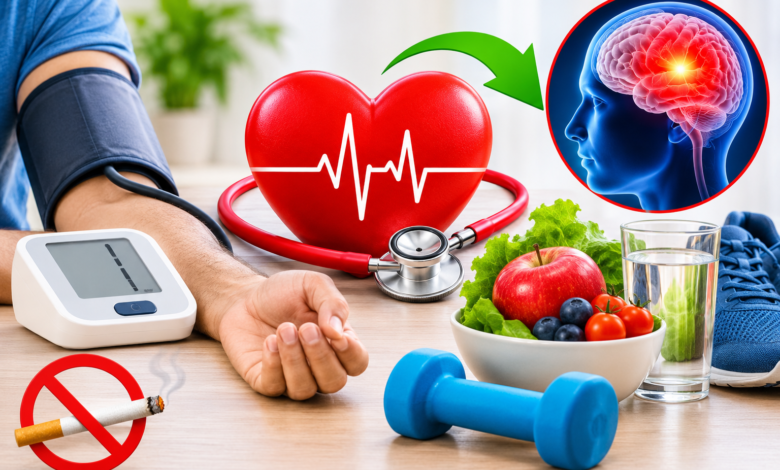
The best method of protection against cerebrovascular strokes is to keep the blood vessels flexible and the bloodstream steady. A constant mechanical stress on the small vessels of the brain due to the uncontrollable increase in arterial pressure results in a high risk of cerebral ischemia or vessel rupture. Rapid reorganization of the way of life and scientifically based medical therapy (e.g., Treatment for high blood pressure) helps to restore the normal functioning of the arteries and reduce the probability of stroke.
The Vascular Connection
Hypertension adversely affects the inner lining of blood vessels (endothelium) and accelerates the process of hardening of arteries and formation of plaques. As per WHO, the contribution of hypertension to worldwide stroke mortality is more than 50%. With continued high systemic pressures, small penetrating arteries of the brain lipohyalinose (thickening of the artery wall), becoming susceptible to thrombosis or leakage.
Hypertension in the systemic circulation leads to arterial damage, which in turn results in arterial stiffening, and ultimately to cerebrovascular occlusion or rupture and stroke.
The American College of Cardiology reports on clinical trial data that a modest reduction of only 10 mmHg systolic blood pressure (SBP) can reduce total stroke risk by 27% to 30%. Treatment of vascular pressure is not a simplistic process of just treating a single parameter, but of conserving the structure of brain tissue.
Dietary Changes
Sodium is known to increase blood volume and reduce nitric oxide synthesis, which is essential for vasodilation. As per the recommendation of the American Heart Association (AHA), individuals suffering from high blood pressure should limit their consumption of sodium to below 1,500 milligrams daily.
However, on the other hand, the present scenario is a healthy one, where the consumption of potassium (3,500-5,000 mg/day) increases, which helps in getting rid of excess sodium and relaxing arteries.
| Dietary Strategy | Nutrients / Daily Goal | Systolic Pressure Reduction | Vascular Impact |
| DASH Diet Pattern | High in fibre, with high levels of inorganic nitrates | 8 to 11 mmHg | Increases the release of nitric oxide from endothelial cells |
| Sodium Restriction | < 1,500 mg per day | 5 to 6 mmHg | Decreases blood pressure throughout the body |
| Potassium Optimization | 3,500 – 5,000 mg per day | 4 to 5 mmHg | Brings about relaxation of smooth muscles in the walls of the blood vessels |
People should modify their eating habits from refined sugars to inorganic nitrate-containing food items (beetroot, green leafy vegetables) in order to have proper vasodilation without using any medicines.
Exercise Regimens for Cardiorespiratory Conditioning
Workout activities cause shear forces to be applied on the blood vessels that trigger production of protective enzymes by endothelial cells. Regular aerobic exercises (walking, cycling, swimming; 150 minutes per week) help lower heart rate and artery stiffness.
- Warm-up (5-10 mins) ➔ Low-intensity dynamic movement
- Aerobic Phase (30 mins) ➔ Moderate (60-70% Max Heart Rate)
- Isometric Resistance (15 mins) ➔ Handgrip or wall-sit holds (3x/week)
- Cool down (5 mins) ➔ Slow walking and deep diaphragmatic breathing
In the Journal of Hypertension (2006), it is reported that retraining autonomic nerve function with isometric handgrip training (training of 4 sets of 2-minute holds at 30% of maximum effort) results in an additional 5 to 8 mmHg decrease in systolic blood pressure.
Modulation of Autonomic Stress Responses
A state of chronic mental stress triggers sympathetic nervous system activation, leading to the secretion of stress hormones into the body. The hormones of stress lead to increased constriction of the blood vessels and increased heart rate.
Exercises involving breathing at six breaths per minute lead to stimulation of the vagus nerve, leading to the parasympathetic response. Training with biofeedback and/or meditation lasting 15 minutes per day leads to low central aortic pressure.
Medical & Integrated Care
If lifestyle changes stop, clinical management is essential. The medications that are used as the first-line treatments include ACE inhibitors, Angiotensin II Receptor Blockers (ARBs), and Calcium Channel Blockers (CCBs). Multi-modal treatments are created specifically to target issues associated with the process of vascular rejuvenation, metabolic correction, and arterial pressure regulation for people who are looking for an additional non-invasive approach to complement their regular treatment.
Frequently Asked Questions
Is it possible to have a stroke due to high blood pressure with no symptoms?
Yes, hypertension is called the “silent killer” because structural and endothelial damage can occur in the arteries over several years with no early signs or symptoms.
How rapidly does a drop in blood pressure lower the risk of stroke?
Research demonstrates that within a few weeks of reaching target blood pressures with lifestyle + clinical management, a significant decrease in vascular strain and stroke risk is observed.
Does home BP monitoring provide accurate assessment of risk?
Correctly used, validated home monitors yield extremely accurate results, reducing the incidence of “white coat hypertension” and giving doctors a more accurate picture of vascular stress throughout the day.
What is the best Blood Pressure to protect against strokes?
In most cases, a person will be in the safest position to avoid having a stroke if their blood pressure is always below 120/80 mmHg. However, different goals may have to be set based on the different risk factors that individuals have.
Long-term Life for Cerebrovascular Safety
One of the key components of stroke prevention and cognitive longevity is ensuring that one maintains control of the body’s blood pressure through dietary changes, physical activity, and even stress responses. This can be accomplished through proper clinical intervention to Treatment for high blood pressure. Avoid irreversible arterial remodeling tomorrow by taking proactive steps today.